Blog
The Tile and Stone Industry: Design, Durability, and Smarter Installation
The State of Modern Tile and Stone
Tile and stone continue to lead finish selections for kitchens, baths, and high-traffic spaces because they balance beauty with long-term durability. From slip-resistant porcelain to expressive handmade ceramics and natural stone with unique veining, today’s market offers choices for every aesthetic and performance requirement. Behind the surface, improved manufacturing methods, better adhesives, and refined installation standards are raising expectations for longevity and ease of care. Homeowners, designers, and contractors all benefit when materials and methods align to deliver reliable, resilient results.
Material Innovations
Advances in porcelain have expanded design possibilities. High-definition printing and textured glazing convincingly replicate marble, limestone, concrete, and wood, while maintaining porcelain’s dense, low-porosity performance. Large-format panels reduce grout lines and create seamless looks on floors, walls, and even shower surrounds. Ceramic continues to shine for decorative applications, offering color-rich glazes, dimensional patterns, and mosaics that personalize a space. Natural stone remains prized for its depth and variation; when sealed and maintained appropriately, it provides a timeless focal point that ages gracefully.
Design Trends and Applications
Classic subway layouts endure, but today’s patterns lean bolder. Hexagons, elongated rectangles, chevrons, and herringbone bring movement to floors and backsplashes. Matte finishes have gained traction for their understated sophistication and softer light reflection, while polished surfaces still claim a place in formal settings. In bathrooms, curbless showers, linear drains, and continuous floor tile create a spa-like experience with improved accessibility. Outdoor living areas benefit from porcelain pavers designed for freeze-thaw resiliency and easy cleaning, extending interior style to patios and pool decks.
Installation Best Practices
Proper installation is the backbone of performance. Substrate preparation, mortar selection, movement accommodation, and grout specification work together to prevent failures. For a smooth, long-lasting result, consider the following:
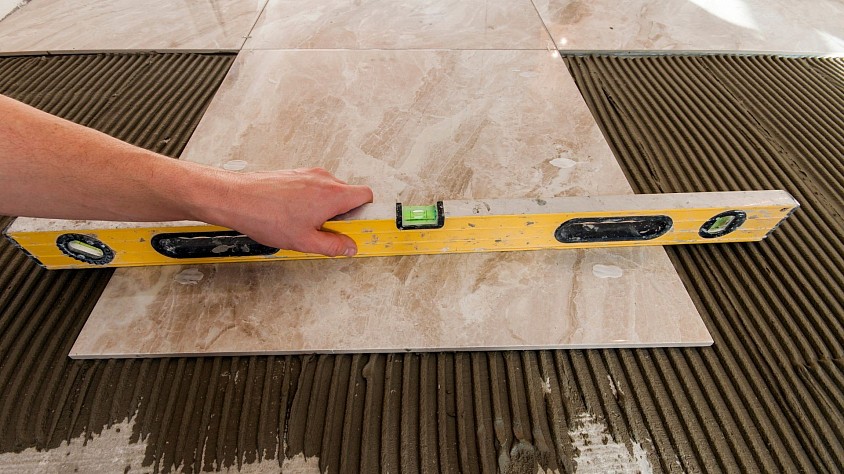
1) Evaluate and flatten the substrate to appropriate tolerances before setting tile; correct dips, humps, and deflection to avoid lippage and cracking.
2) Select mortars and grouts compatible with tile type, size, and environment, following manufacturer instructions for open time and cure.
3) Use appropriate trowel notch size and back-butter large-format pieces to ensure full coverage and strong bond strength.
4) Incorporate movement joints per standards at perimeters, transitions, and intervals to relieve stress from thermal and structural changes.
5) Waterproof wet areas with a tested membrane, tying into drains and penetrations to protect underlying assemblies.
6) Verify layout and pattern alignment with dry-fitting, accounting for cuts, focal lines, and grout joint consistency.
7) Clean thinset squeeze-out promptly and maintain proper joint depth for even grout application and curing.
Sustainability and Indoor Air Quality
Tile and stone contribute to healthier interiors by avoiding many common finish emissions and by simplifying routine maintenance. Porcelain and ceramic do not require waxes or complex coatings for daily care, reducing chemical loads in households and workplaces. Many products incorporate recycled content or are manufactured with energy-efficient kilns, and long service life lowers replacement frequency and waste. In wet environments, reliable waterproofing and correct slope help prevent moisture intrusion, supporting better indoor air quality over time.
Maintenance That Protects Your Investment
A thoughtful care plan preserves visual appeal and performance. Sweep or vacuum grit before mopping to reduce abrasion. Use pH-neutral cleaners formulated for tile and stone, and avoid harsh chemicals that can etch surfaces or degrade grout. Seal natural stone and cementitious grout as recommended, and reapply based on usage and exposure. Address high-traffic pathways with mats and felt pads under furniture to reduce wear. Inspect caulked joints in showers and around tubs, replacing as needed to maintain watertight integrity.
Tile and stone reward attention to detail at every step, from selecting the right material for the space to executing a sound installation and caring for the finished surface. With mindful choices, these finishes deliver enduring style, practicality, and value.
The Future of Tile Design: Durable Style for Modern Homes
Tile Industry Outlook for Home Remodeling
Home remodeling continues to lean on tile for its unbeatable mix of durability, style, and long-term value. From kitchens and bathrooms to entryways and patios, tile provides a surface that resists wear while elevating design. Today’s homeowners seek practical elegance, and the tile industry is answering with better materials, improved installation methods, and timeless aesthetics that suit both contemporary and classic spaces.
Emerging Materials and Finishes
Advances in manufacturing have opened doors to a wider palette of textures, tones, and formats. Porcelain remains a favorite for its strength and moisture resistance, while ceramic offers versatile style at a friendly price point. Large-format tiles minimize grout lines and create a sleek, expansive feel in open-plan rooms. Stone-look and wood-look options deliver natural warmth without the upkeep, and matte finishes reduce glare and fingerprints for a more lived-in, welcoming effect. Patterned encaustic-inspired designs have also surged, adding interest to backsplashes and feature walls without overpowering a space.
Practical Applications in Kitchens and Baths
Kitchens benefit from tile’s heat and stain resistance on backsplashes and floors. In bathrooms, porcelain and ceramic shine in high-moisture areas, providing resilient shower surrounds and slip-resistant floors. For open-concept homes, using coordinating tile across kitchen and dining zones helps define spaces while maintaining visual continuity. In smaller rooms, lighter tones and larger formats can make the area feel more spacious, while vertical stack patterns on walls add height and dimension.
Installation Best Practices
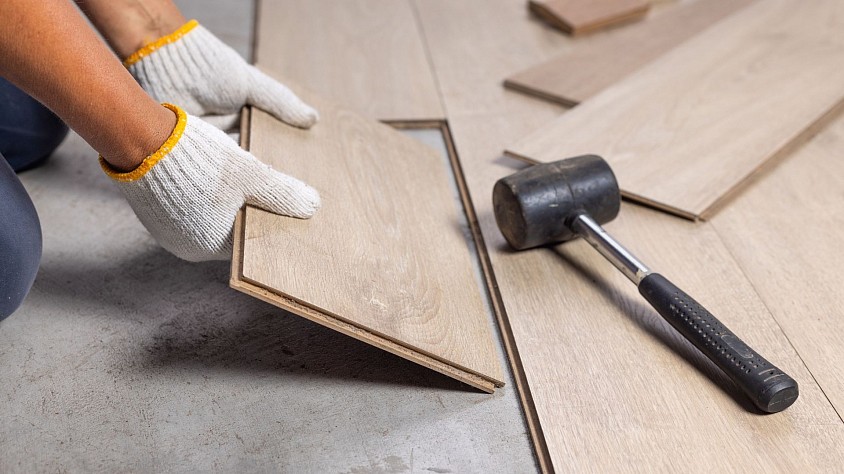
Quality results start with proper planning and precise execution. Professional installers consider subfloor conditions, layout geometry, and grout joint consistency to ensure a refined finish that lasts. A well-executed project relies on methodical steps that protect both appearance and performance.
1. Assess the substrate: Verify it is flat, clean, and structurally sound to prevent lippage and cracking.
2. Choose suitable tile: Match tile type and rating to the space, especially in wet or high-traffic zones.
3. Use the right setting materials: Pair adhesives, mortars, and grouts with tile density and application.
4. Plan the layout: Dry-lay to confirm pattern balance, focal points, and minimal sliver cuts.
5. Mind movement joints: Allow for expansion and contraction to avoid stress on the installation.
6. Control grout lines: Keep joints uniform and select a color that complements the tile and room palette.
7. Finish carefully: Clean excess mortar and haze promptly to preserve surface quality.
Maintenance and Longevity
Routine care keeps tile looking its best for years. Sweep or vacuum grit before it abrades the surface, and use pH-neutral cleaners to avoid dulling finishes. Sealing natural stone and certain grouts helps resist moisture and staining. Replace worn caulk at wet transitions to maintain a watertight seal. Thoughtful maintenance not only protects your investment but also preserves the crisp lines and color fidelity that make tile so appealing in the first place.
Sustainable Choices
Tile aligns well with long-term sustainability goals. Its durability reduces replacement cycles, and many manufacturers offer options with recycled content. Light-colored tiles can help bounce natural light, reducing the need for artificial illumination during the day. Thoughtful selection of grout with low volatile organic compounds and long-lasting sealers further supports indoor air quality. By choosing resilient materials and timeless designs, homeowners minimize waste and create interiors that age gracefully.
Designing with Confidence
Tile rewards careful selection and skilled installation with a finish that performs under pressure and looks refined in any setting. Whether refreshing a powder room or transforming a full kitchen, the right combination of format, finish, and layout turns practical surfaces into signature features. With smart planning, quality materials, and attention to detail, tile remains a cornerstone of modern home design—delivering beauty, endurance, and everyday ease.